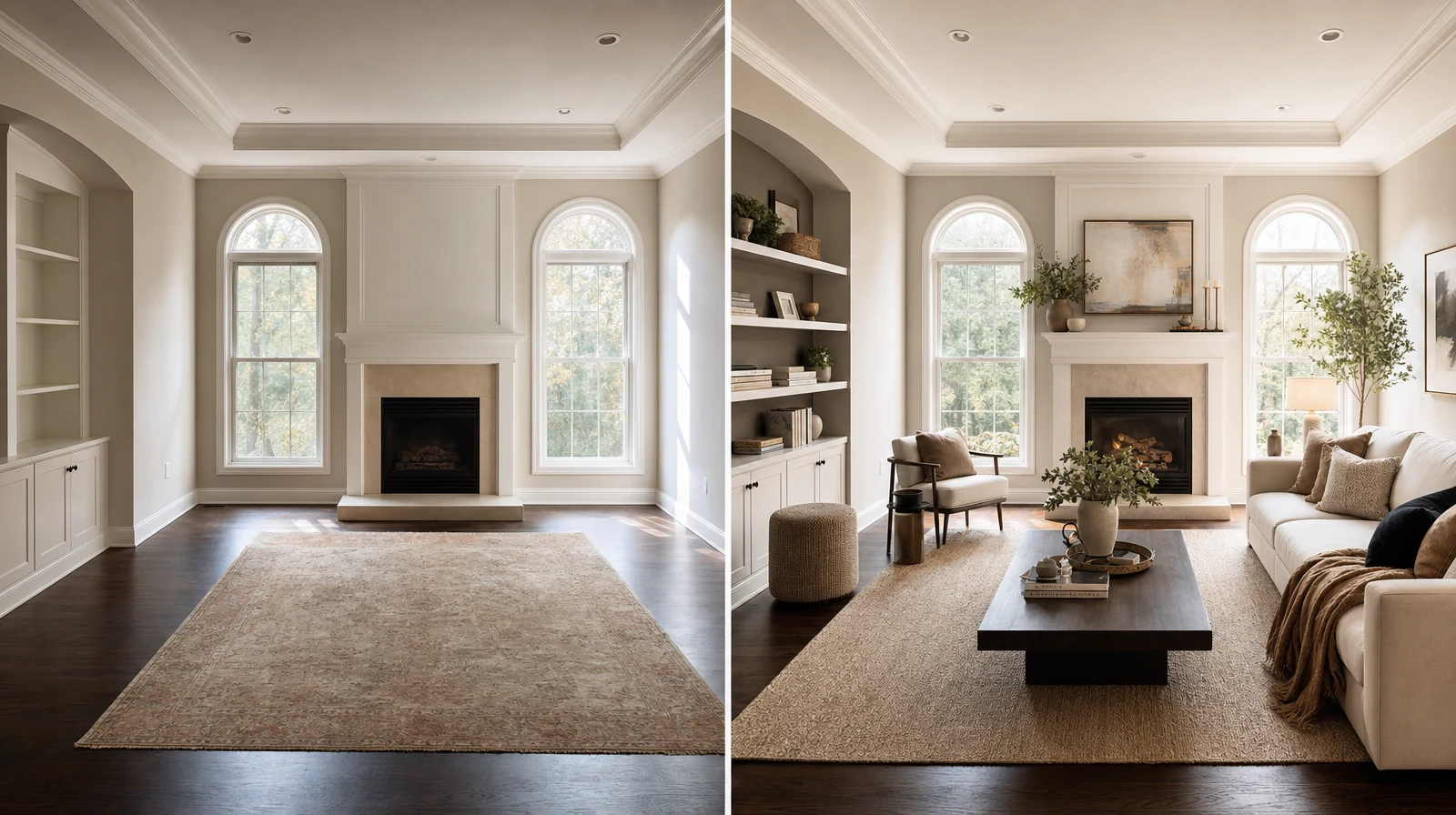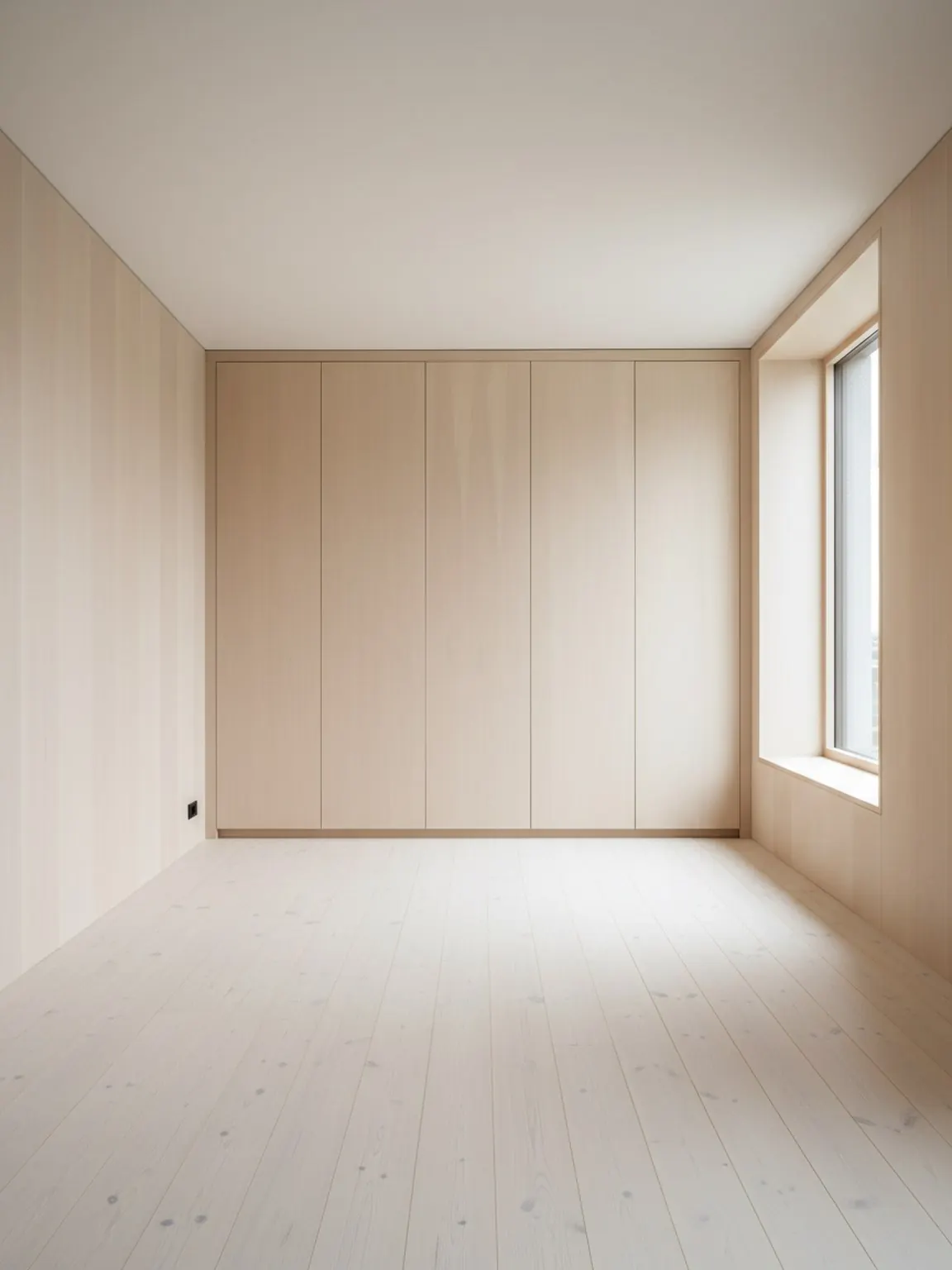
Virtual furniture placement is useful when the buyer is already close to choosing a product but still cannot picture the fit clearly.
What the visual should answer
The output should answer:
- Does the product fit the room?
- Does the scale feel right?
- Does the room still feel balanced?
If the visual does not answer those questions, it is probably acting more like inspiration than decision support.
Start with the real room
The strongest input is often a real room photo:
- customer-submitted room
- showroom corner
- staged listing room
The more believable the starting context, the more useful the final placement visual becomes.
Keep the comparison narrow
Do not compare ten products at once.
Better options:
- one sofa vs another
- one finish vs another
- one bundle vs another
That keeps the visual tied to an actual buying step.
Reuse the final output
Once you have a strong placement image, use it in:
- product pages
- support replies
- email follow-up
- assisted selling
That is where virtual furniture placement starts producing real value for ecommerce teams.
Final takeaway
Virtual furniture placement works best when it removes guesswork early, before the buyer disappears from the product page.