
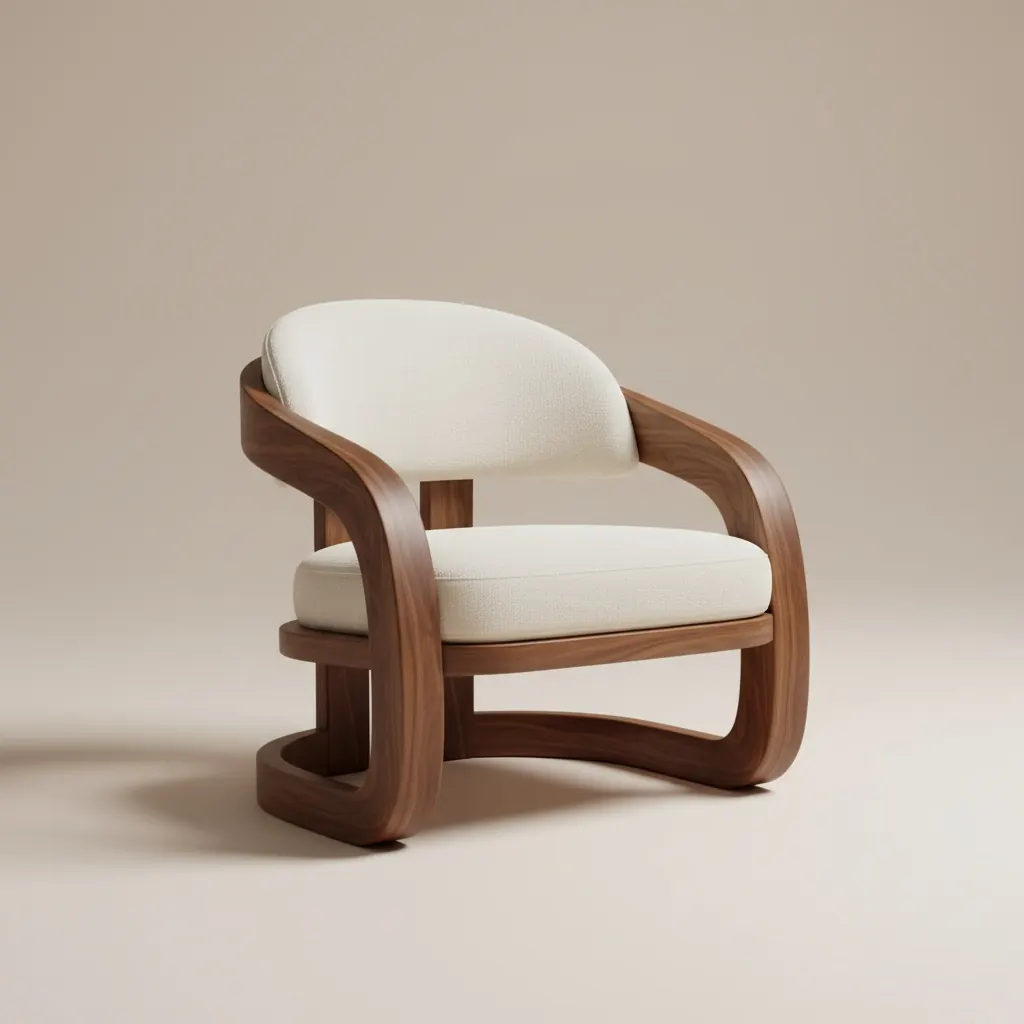
This comparison is not about which tool creates the prettiest image in isolation. It is about which tool fits a furniture workflow.
What furniture teams should compare first
Use this checklist:
- room realism
- product-fit clarity
- pricing clarity
- reusable output for sales or ecommerce
- proof surfaces like gallery, results, and customer stories
RoomGPT
RoomGPT is a familiar name in AI room design conversations. For furniture teams, the main question is whether the output helps a real buying conversation or stays closer to inspiration.
Interior AI
Interior AI is also common in comparison searches. The important check is whether the workflow supports a narrow commercial question like product fit, layout approval, or catalog reuse.
Room AI Studio
Room AI Studio leans into commercial room visuals:
- product-fit scenes
- room visuals from product photos
- layout proof
- material previews
- buyer-confidence workflows
The best fit is usually a team that wants output they can reuse across product pages, support replies, or approval flows.
The deciding factor
If your team mainly needs inspiration, broad comparison may be enough.
If your team needs:
- believable room scenes
- exact-match commercial landing pages
- a dedicated pricing page
- results, examples, and customer-story proof
then a more commerce-shaped workflow matters more than raw visual novelty.
Final takeaway
The right comparison question is simple:
Can this tool help a buyer or stakeholder reach a clearer next step?
If the answer is yes, the tool is closer to a real operating system for furniture visuals than a simple inspiration generator.