
Upload a room photo
Start with a clear room photo so Material Studio can read surfaces, lighting, and layout context more accurately.
Feature
An AI material visualizer helps compare wood, fabric, stone, and finish directions inside the same room context, making subtle material decisions easier to judge before approval or purchase.
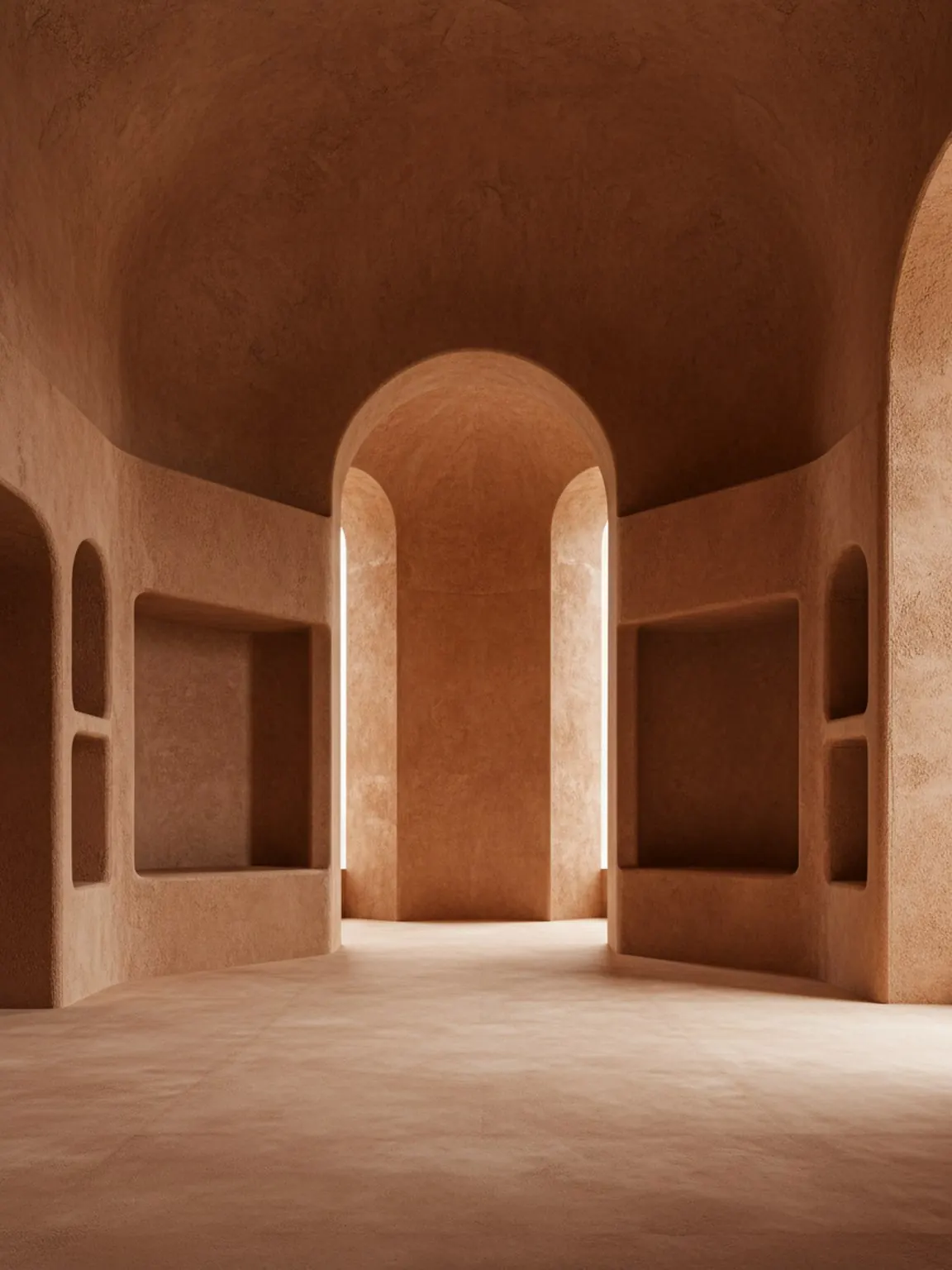
Material tone
Finish decisions with clearer mood and surface context.
AI Material Visualizer
An AI material visualizer helps compare wood, fabric, stone, and finish directions inside the same room context, making subtle material decisions easier to judge before approval or purchase.
Material Studio is strongest when the room direction is mostly set and the next decision is which finish, texture, or surface combination should move forward.
Start with a clear room photo so Material Studio can read surfaces, lighting, and layout context more accurately.
Test wood, stone, fabric, and finish variations to compare how different material sets change the room mood.
Review multiple results side by side, keep the strongest direction, and move forward with clearer material choices.
What you get
Best material planning practices
Use photos with balanced lighting so finishes and textures are easier to evaluate. Strong shadows can hide details and make comparisons less reliable.
Generate a few close material variants instead of only one extreme option. Small texture and finish differences often lead to better final decisions.
Who this works best for
Material Studio is strongest when the room direction is mostly set and the next decision is which finish, texture, or surface combination should move forward.
FAQ
These answers focus on the point where broad style is settled and finish decisions still need proof.
It helps compare finishes, textures, fabrics, and surfaces once the room direction is mostly clear but the final material choice still needs visual proof.
Style generation compares broad room moods. Material visualization focuses on closer finish-level choices inside a direction you already like.
Yes. Small shifts in wood tone, fabric texture, or surface finish are often exactly where a material visualizer becomes most useful.
Balanced lighting and visible surfaces help the most because they make finish differences easier to read side by side.
Next
Test material directions quickly and move forward with more confident finish choices.