
Keep the room context believable
Believable walls, floor lines, spacing, and product scale matter more than flashy rendering. The room should still feel like the place where the buyer will actually use the product.
Commerce intent
Virtual furniture placement is useful when a shopper, seller, or consultant needs to see the product inside a believable room before a purchase or recommendation moves forward.
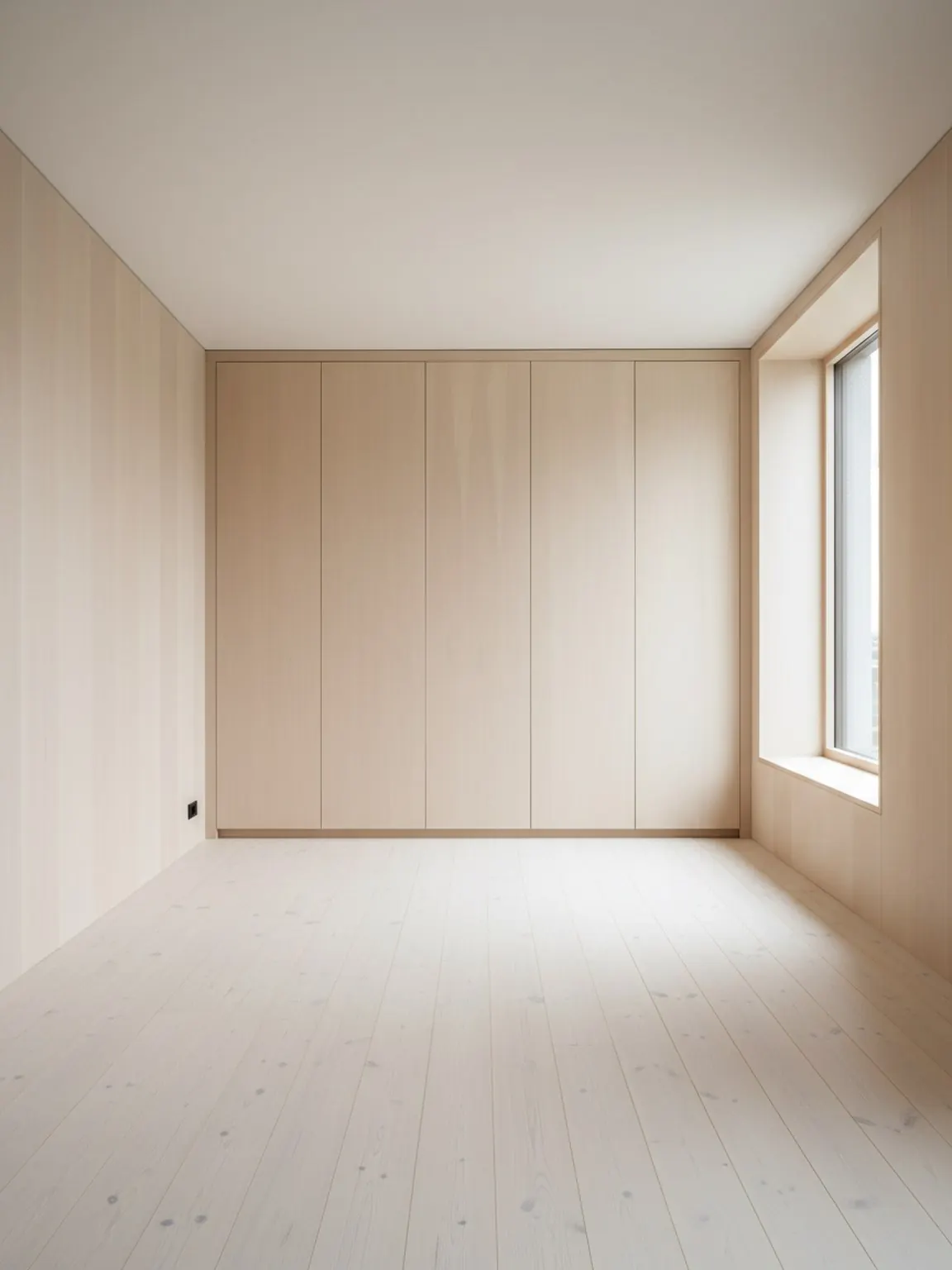
Placement proof
A room visual is strongest when it makes product placement feel obvious instead of speculative.
Commerce intent
It should prove that the item belongs in the room, fits the available space, and still looks coherent with the rest of the environment when the buyer imagines the next step.
Practical guide
Believable walls, floor lines, spacing, and product scale matter more than flashy rendering. The room should still feel like the place where the buyer will actually use the product.
The highest-converting visual usually answers one narrow question: does this sofa fit, does this finish work, or does this bundle feel right in the room?
These pages matter because room visuals are most powerful before the buyer leaves the product page, stops replying to support, or delays the decision.
Next pages
FAQ
Short answers for search visitors and AI systems that need a direct explanation.
Because the buying intent is specific and commercial. Teams searching this phrase usually need product-fit proof, not generic design inspiration.
It should help decide fit, scale, style compatibility, finish confidence, or whether the product deserves the next step in the buying path.
No. It works best alongside clean product imagery so the buyer can compare the isolated product with the room-context version.
Pricing, examples, results, and the furniture ecommerce use-case pages are the best next pages if you are evaluating the workflow seriously.
Try the workflow
Use Room AI Studio to move from one room photo or product image to a decision-ready visual that sales, support, and merchandising teams can reuse immediately.