
Upload a room photo
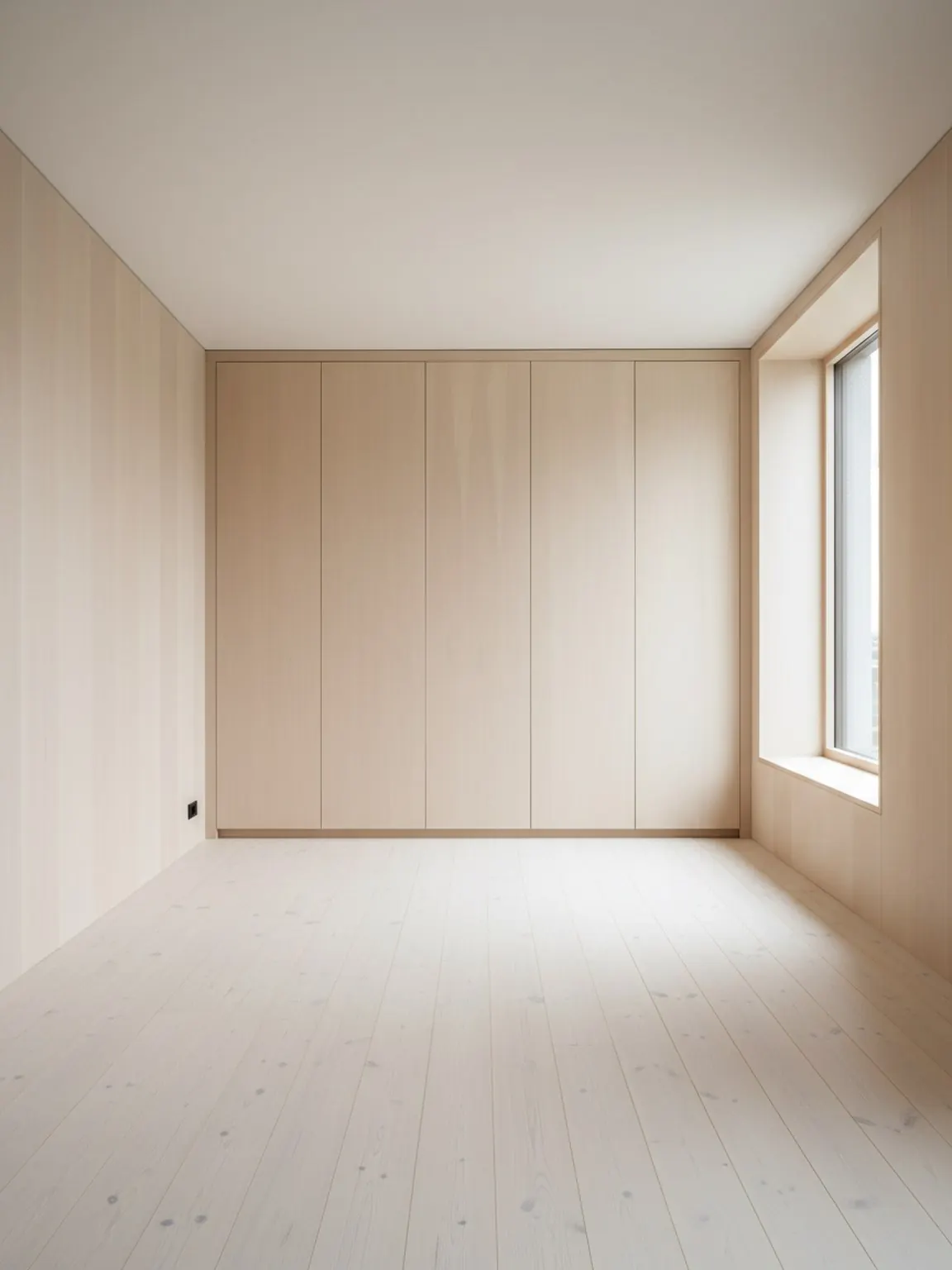
Start with a clear room image so the planner can understand walls, openings, and key furniture zones.
Feature
An AI room layout planner helps compare furniture placement, walking flow, and room balance from the real room context before a buyer, client, or team commits to a setup.
Layout proof
Better placement decisions before a buyer hesitates.
AI Room Layout Planner
An AI room layout planner helps compare furniture placement, walking flow, and room balance from the real room context before a buyer, client, or team commits to a setup.
Layout Planner is strongest when the goal is to compare room flow before moving furniture, buying a large item, or presenting options to a client.
Start with a clear room image so the planner can understand walls, openings, and key furniture zones.
Create multiple placement variations for furniture and walking flow, then compare which arrangement feels most practical.
Pick the strongest option, make small refinements, and use the final layout as your plan for setup or client presentation.
What you get
Best planning practices
Start with a photo that shows the full room and major furniture pieces. Better framing makes it easier to evaluate spacing and movement paths.
Compare at least two or three layout variants before deciding. Small changes in placement can make a noticeable difference in comfort and usability.
Use a short pre-move checklist: focal point, walkway width, door swing, natural light access, and whether the room still feels easy to use.
Who this works best for
Layout Planner is strongest when the goal is to compare room flow before moving furniture, buying a large item, or presenting options to a client.
FAQ
Practical answers for teams deciding whether the main issue is layout, not just style.
Use it when placement, spacing, and circulation matter more than style exploration, especially before moving furniture or recommending a large purchase.
It gives people a concrete reason to prefer one arrangement over another, such as better walkway clearance, stronger focal balance, or cleaner product fit.
Furniture sellers, staging teams, interior consultants, and designers benefit most because they often need to explain why one arrangement works better than another.
A full-room photo with visible walls, openings, and major furniture usually creates more dependable placement comparisons.
Yes. Layout comparison is especially useful in smaller rooms because a small placement change can noticeably improve flow, access, and visual calm.
Next
Build room layout options quickly and move forward with clearer placement decisions.